About the event
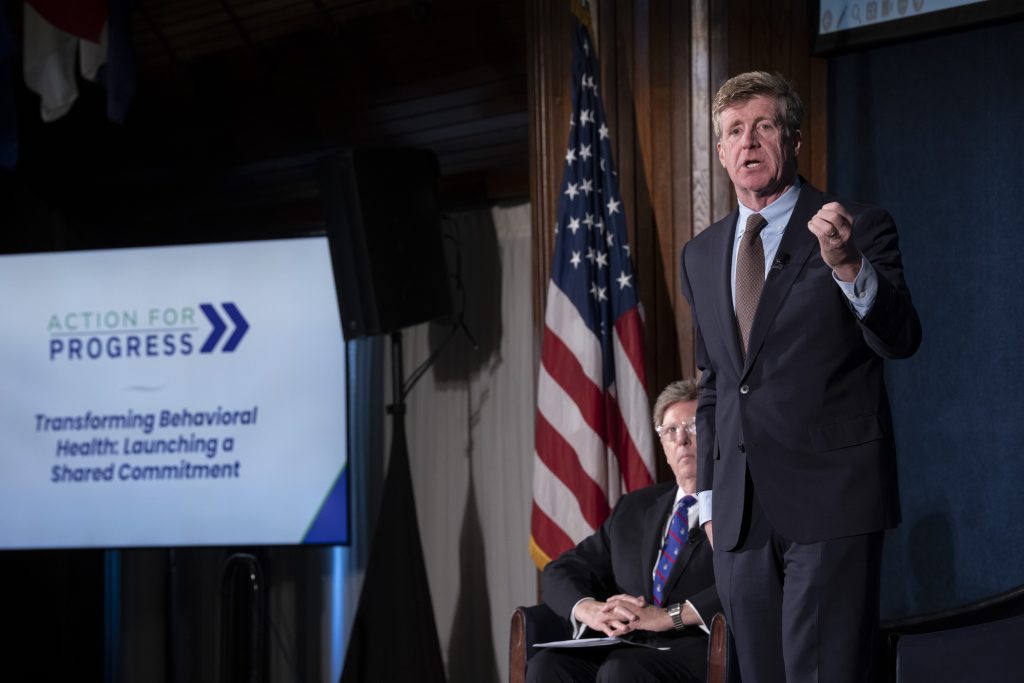
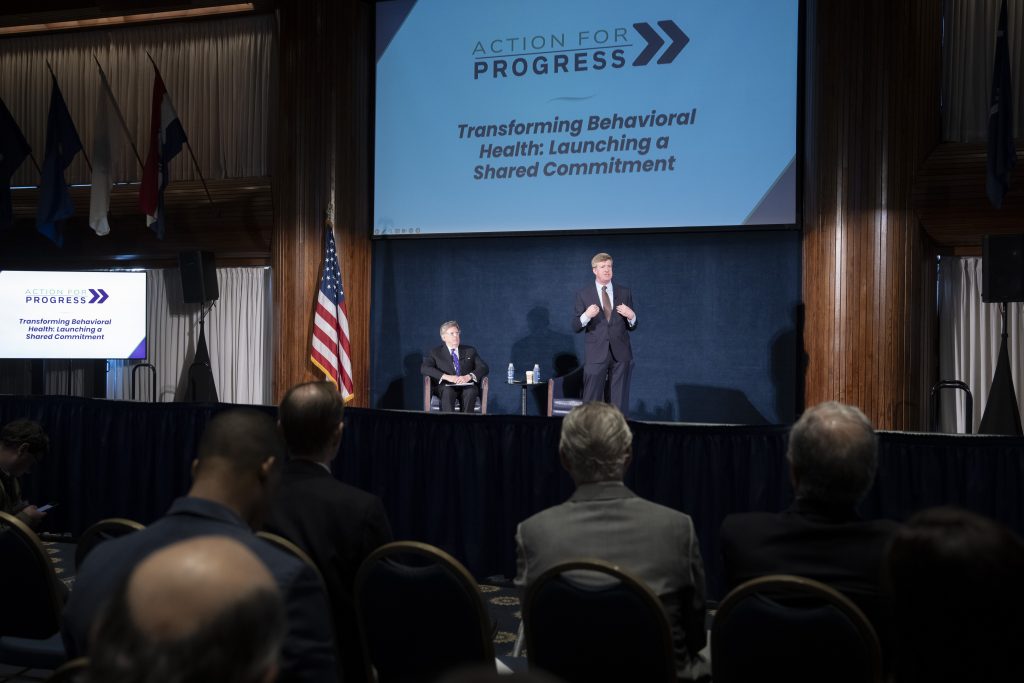
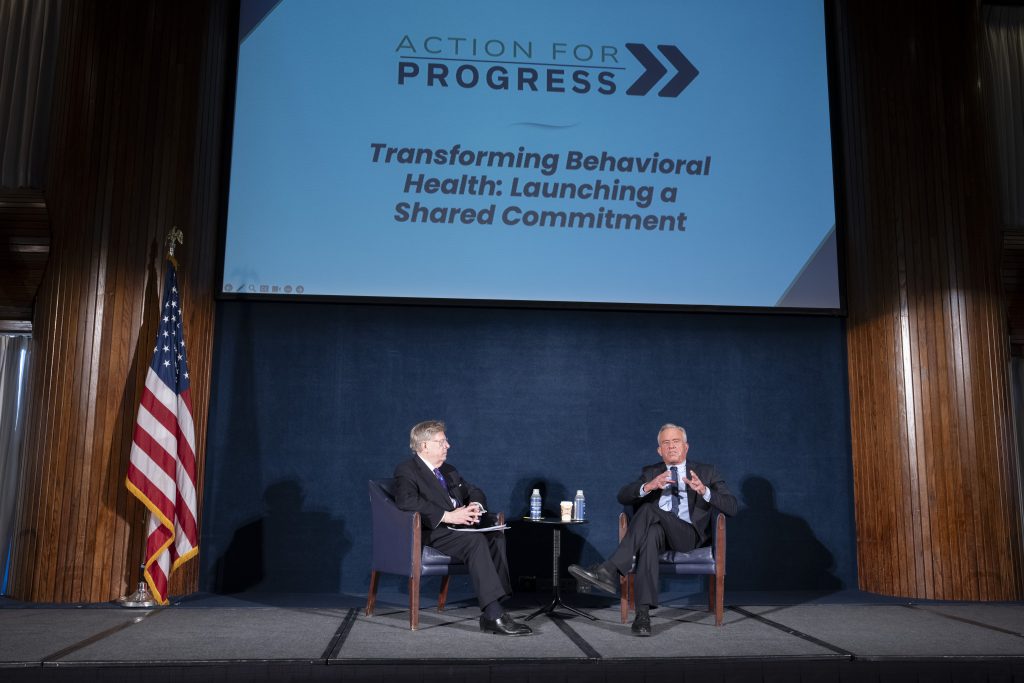
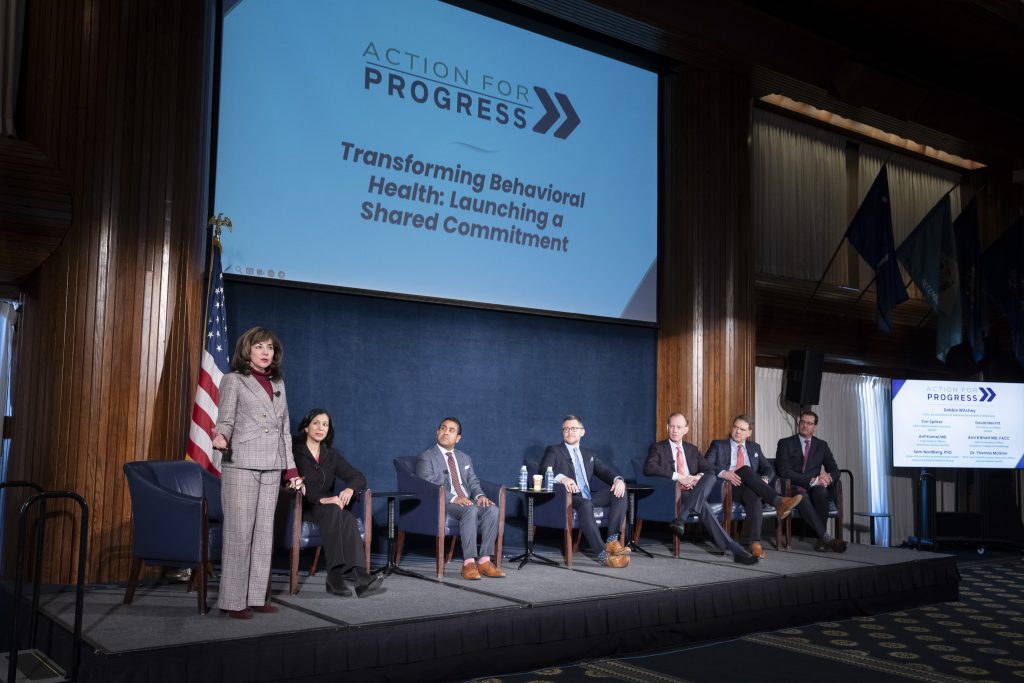
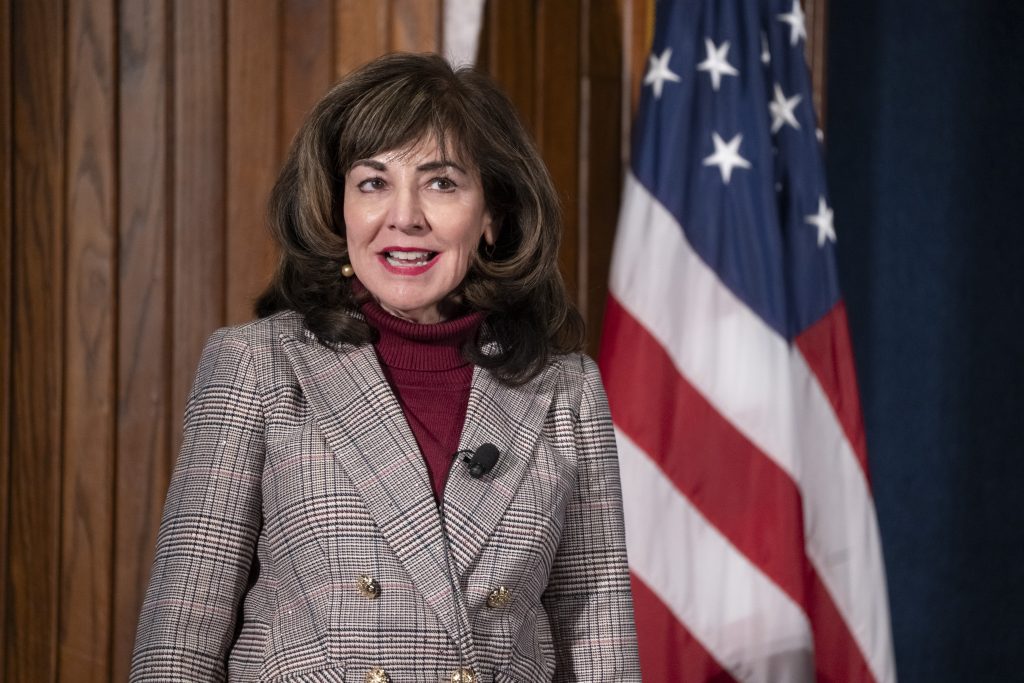
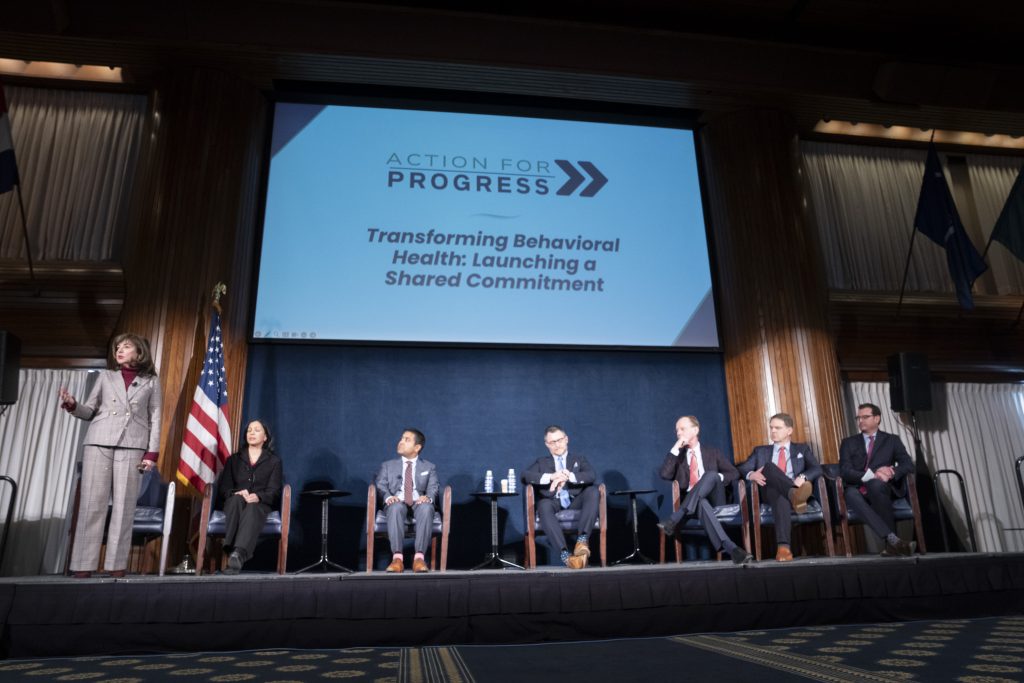
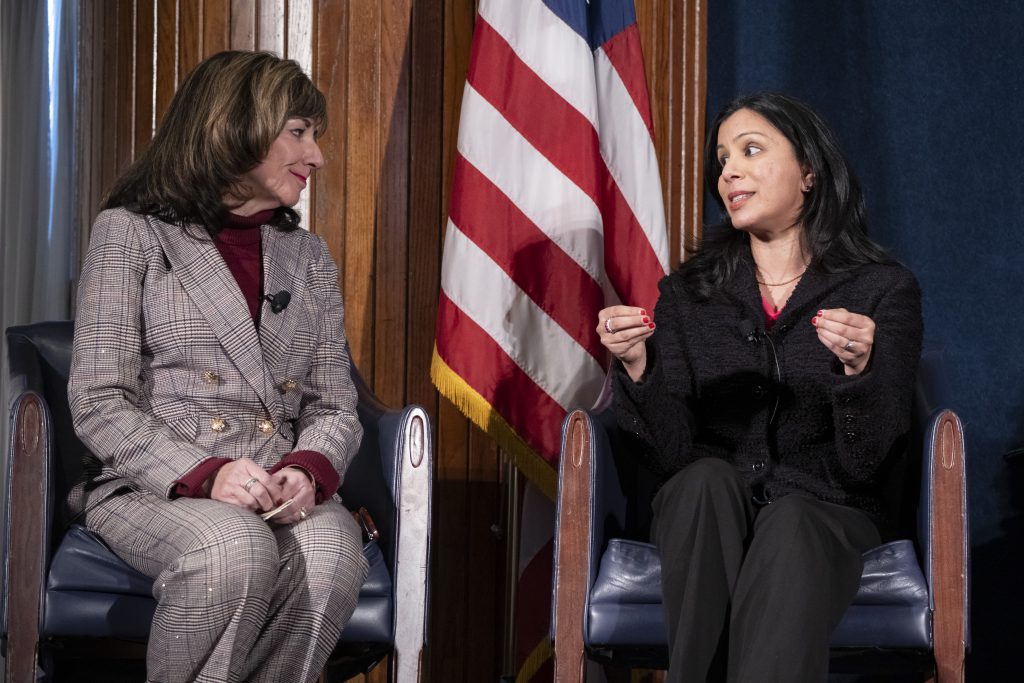
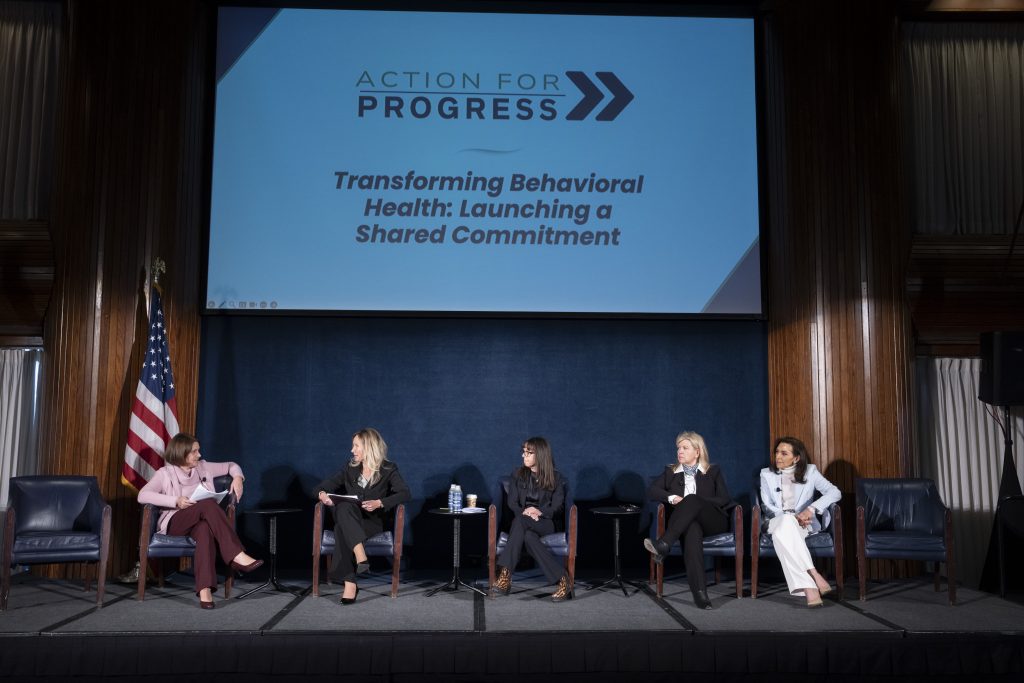
On Monday, February 2nd, 2026 at the National Press Club, Action for Progress officially launched, bringing together senior Administration leaders and cross-sector partners around a shared commitment to transform behavioral health in America.
Federal speakers included:
- Robert F. Kennedy Jr., U.S. Department of Health & Human Services (HHS) Secretary
- Dr. Mehmet Öz, Centers for Medicare & Medicaid Services (CMS) Administrator
- Marty Makary, Food & Drug Administration (FDA) Commissioner
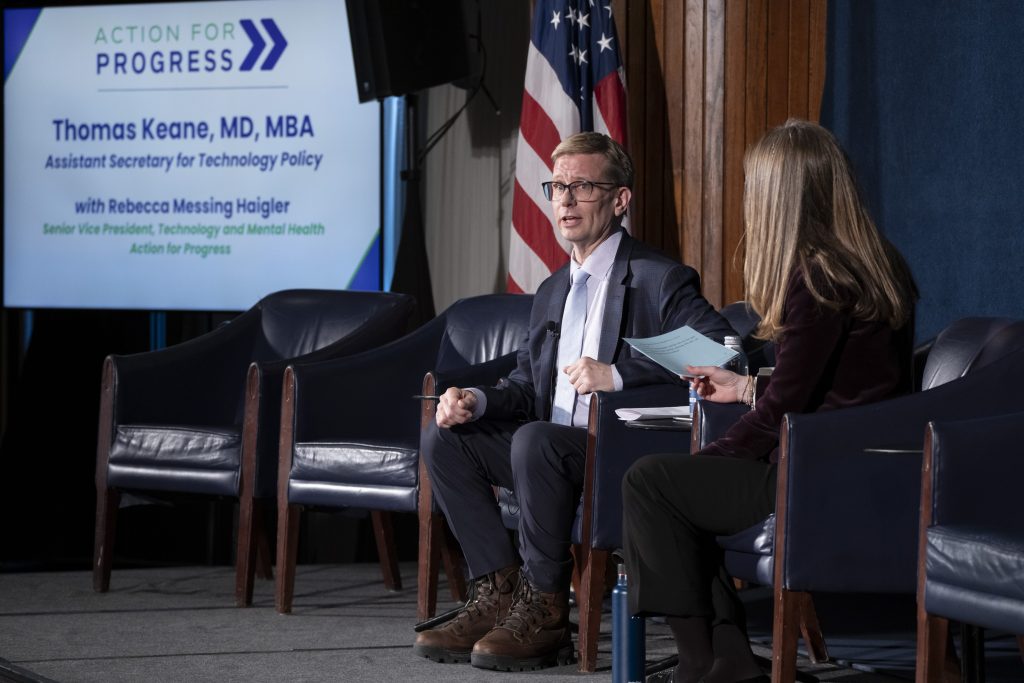
- Thomas Keane, Assistant Secretary for Technology Policy
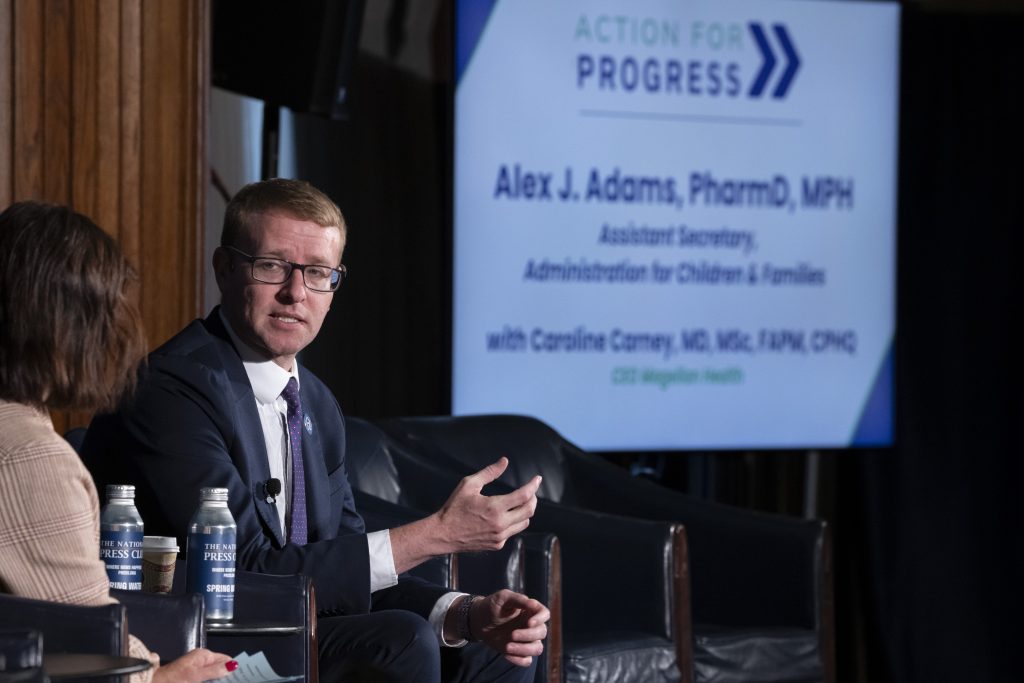
- Alex J. Adams, Assistant Secretary for the Administration for Children and Families (ACF)
Throughout the convening, leaders explored patient-centered integration of behavioral health and chronic disease, early intervention, data-driven accountability, and the policy levers needed to support prevention, treatment, and long-term recovery.
The Agenda
Expand each agenda item to see our presenters, session highlights, photos, and footage.
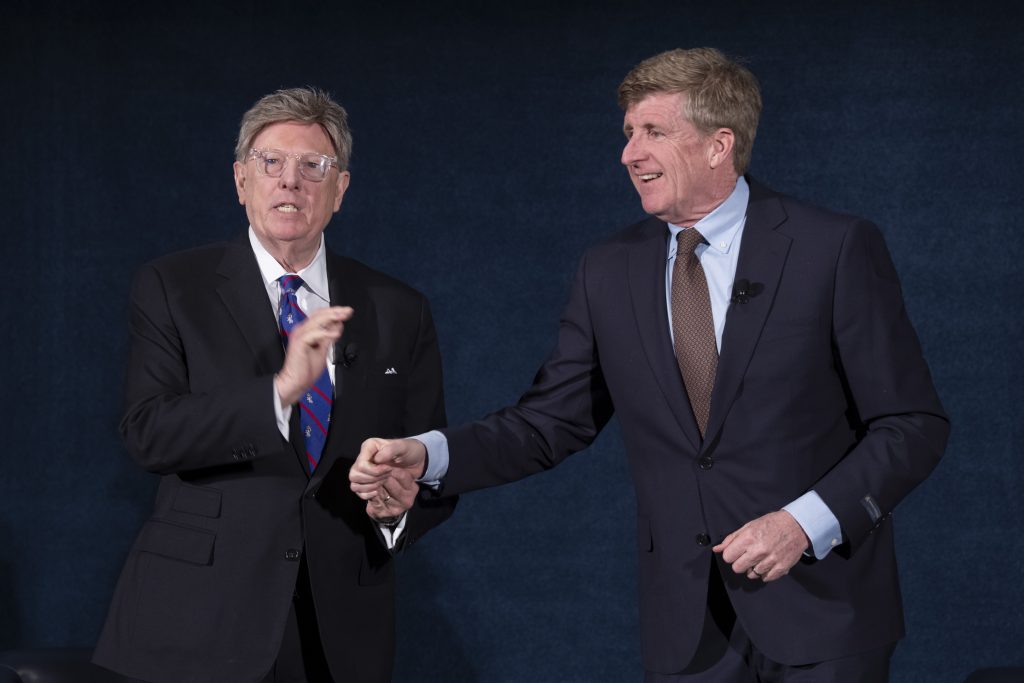
Opening & Introductory Remarks from Former Congressman Patrick J. Kennedy & Tom Koutsoumpas of Healthsperien
From former Congressman Patrick J. Kennedy and Tom Koutsoumpas, President and Founder of Healthsperien
Summary
Patrick Kennedy framed addiction and mental illness as social illnesses that cannot be solved through medical treatment alone. He emphasized the importance of psychosocial supports, community connection, and family reintegration—likening effective care to a “three-legged stool” of biological, mental, and social health.
He spoke passionately about the need for mental health parity, accountability, and outcomes-based reimbursement, arguing that the system should reward what truly works: helping people reconnect with their families, regain purpose, and sustain recovery. Kennedy called for bipartisan, non-divisive leadership and praised the Administration’s commitment to aligning policy, financing, and outcomes through initiatives like Action for Progress.


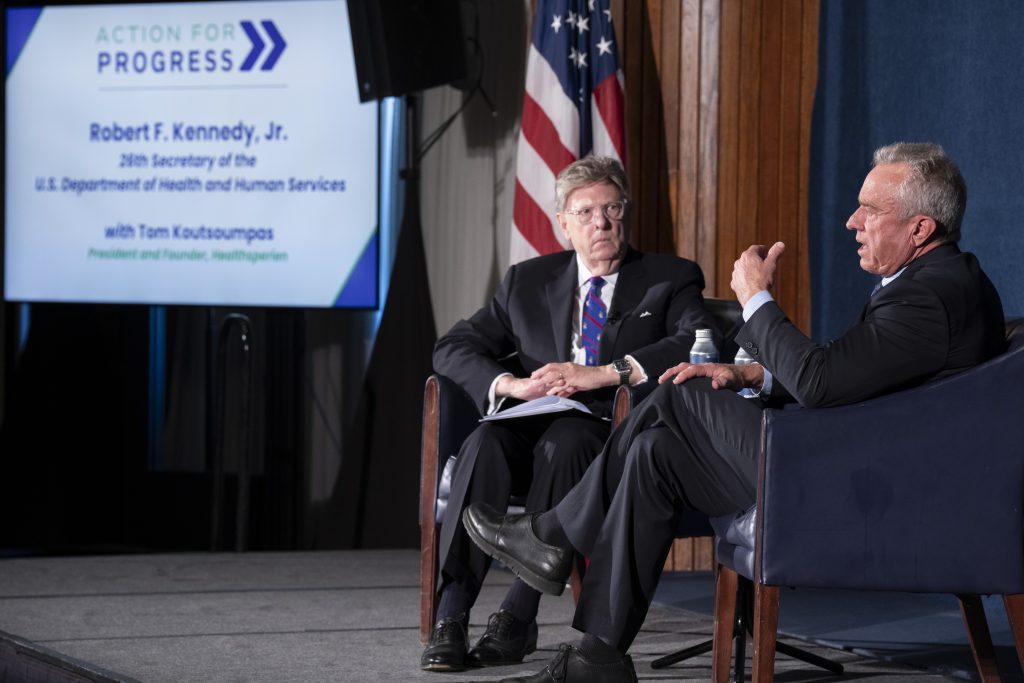
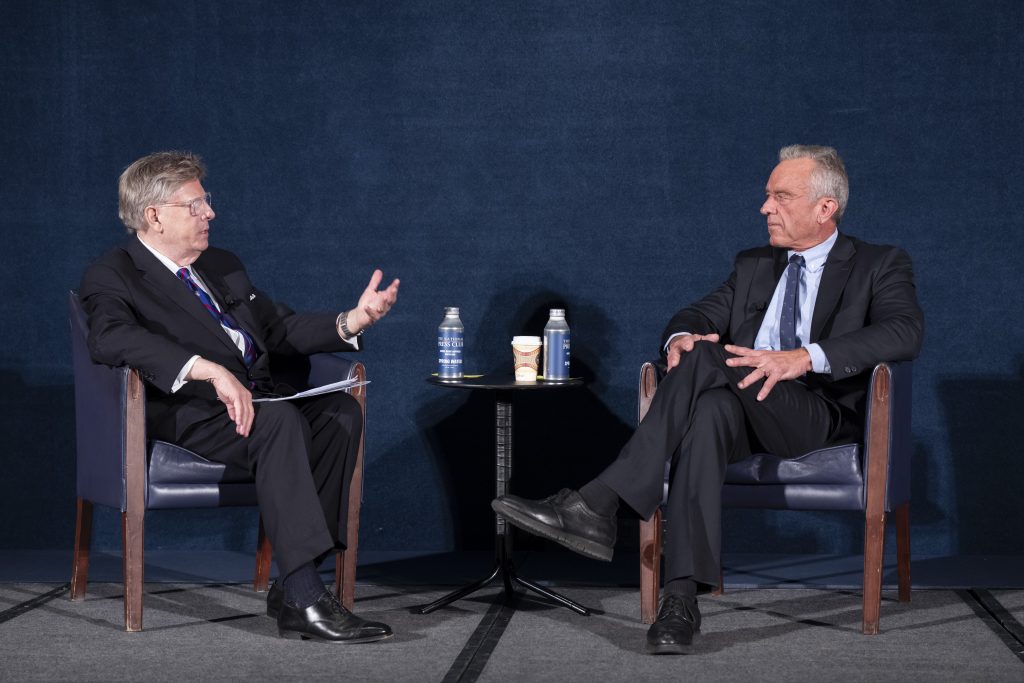
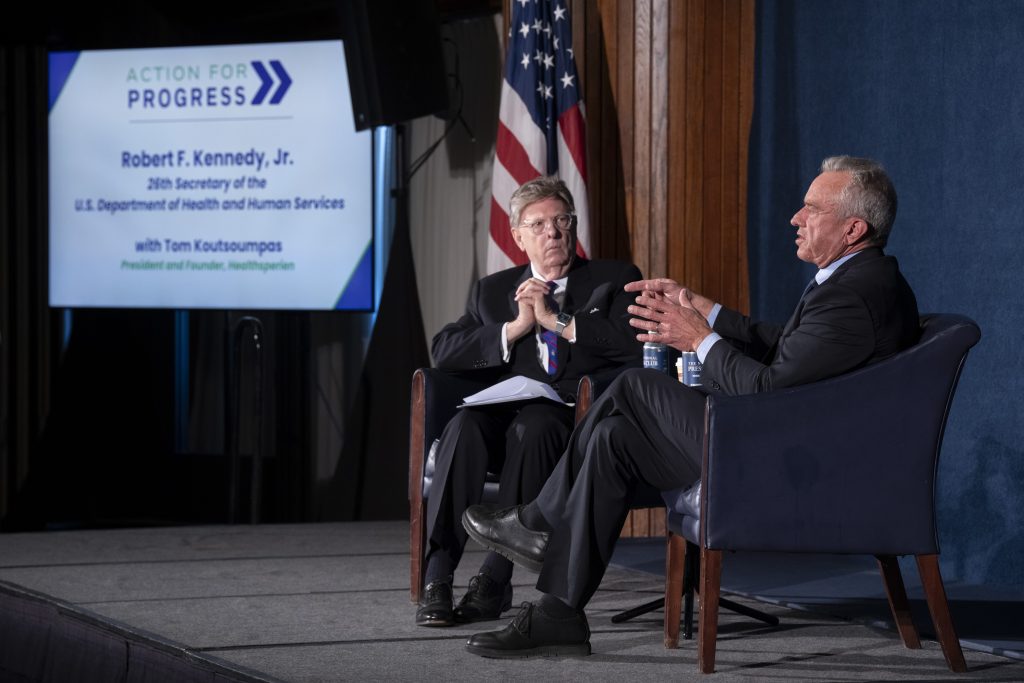
Fireside Chat with the 26th Secretary of the U.S. Department of Health and Human Services
With Robert F. Kennedy, Jr., the 26th Secretary of the U.S. Department of Health and Human Services and Tom Koutsoumpas, President and Founder of Healthsperien
Summary
Secretary Kennedy emphasized that addiction and mental illness must be treated as chronic, whole-person conditions—not acute episodes. Drawing from his personal experience in recovery, he stressed that while medicine has made strides in biological treatment, the system has failed to integrate mental, social, spiritual, and community supports.
He highlighted the nation’s fragmented approach—spread across health care, housing, justice, and social systems—and called for a coordinated, accountable model that connects agencies and aligns incentives around long-term recovery outcomes. Kennedy underscored that social isolation is a key driver of addiction and poor health outcomes and argued that reconnection—to community, purpose, and meaning—is central to healing. His remarks reinforced a shift from paying for services to paying for measurable recovery and quality of life.


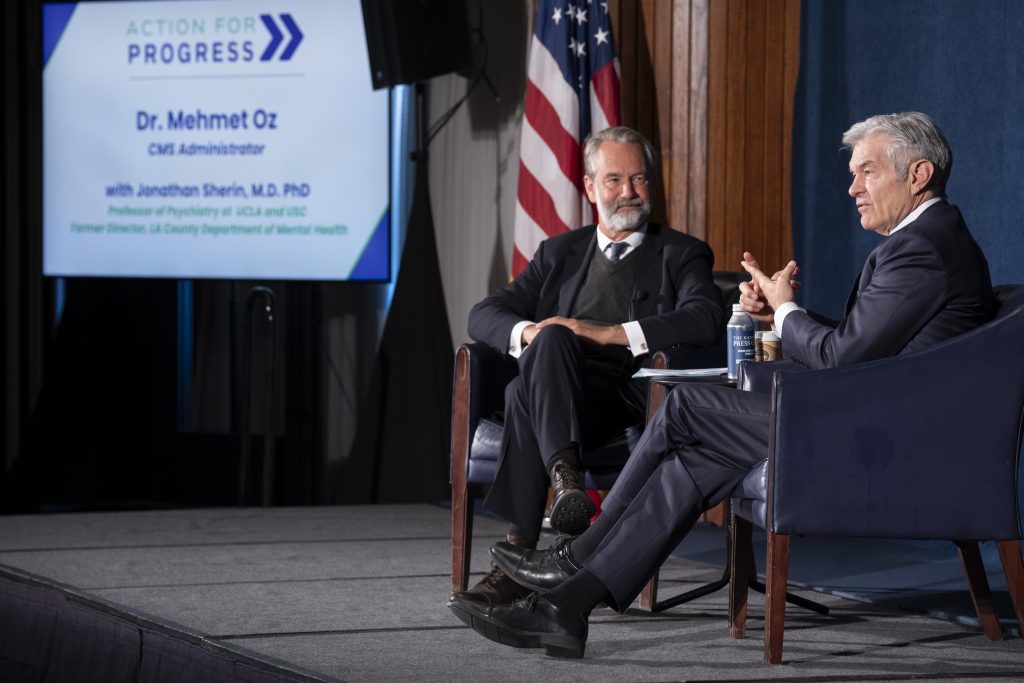
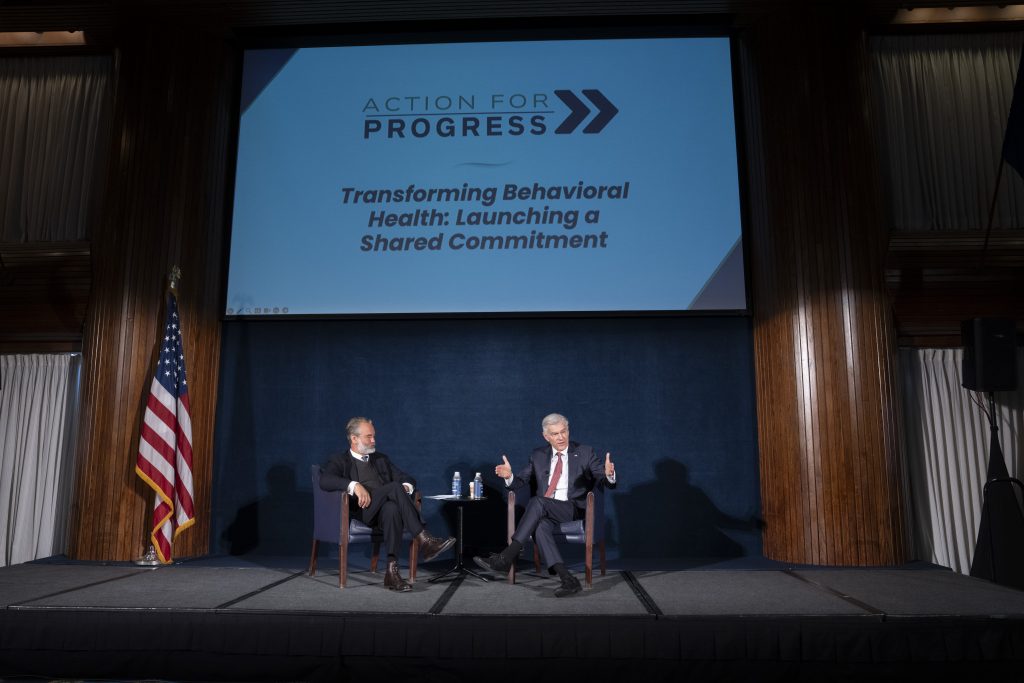
Fireside Chat on CMS's Commitment to Behavioral Health
With CMS Administrator Dr. Mehmet Oz and Jonathan Sherin, MD., PhD, Professor of Psychiatry UCLA and USC and USC, Former Director, LA County Department of Mental Health
Summary
Administrator Oz focused on unlocking value by integrating behavioral health into the broader health care system. He highlighted the economic and societal benefits of addressing mental health early, improving productivity, reducing disability, and strengthening families across the lifespan.
Oz emphasized that innovation must extend beyond traditional medical models to include lifestyle, social, and community-based interventions, warning against over-medicalization. He discussed the need to redesign payment systems, invest in evidence-based models, and rigorously evaluate what works—especially for underserved, rural, and aging populations.


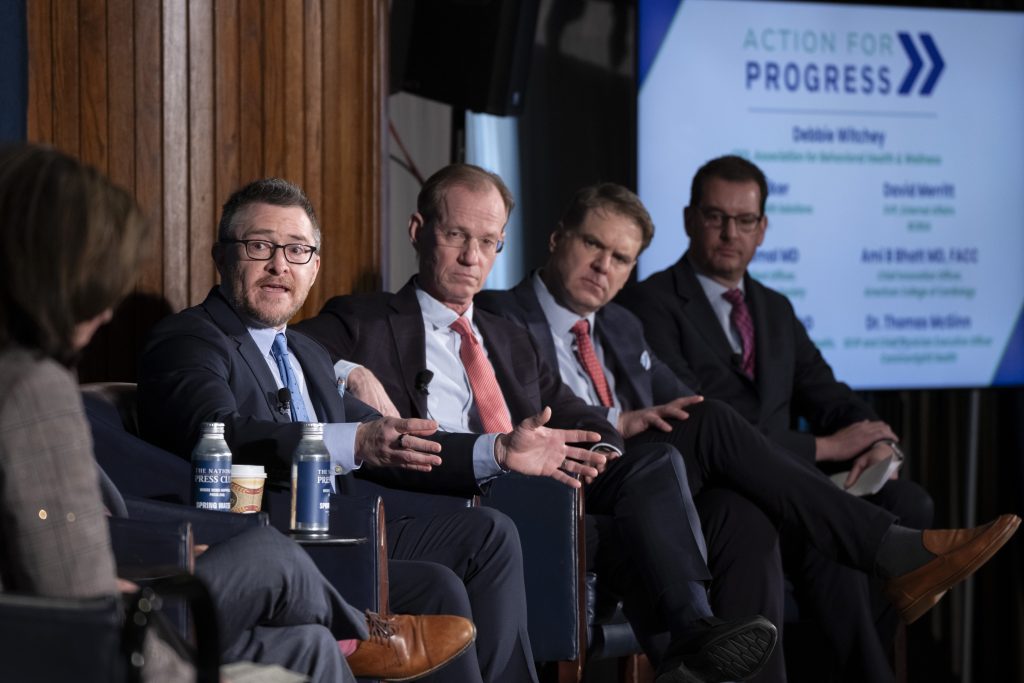
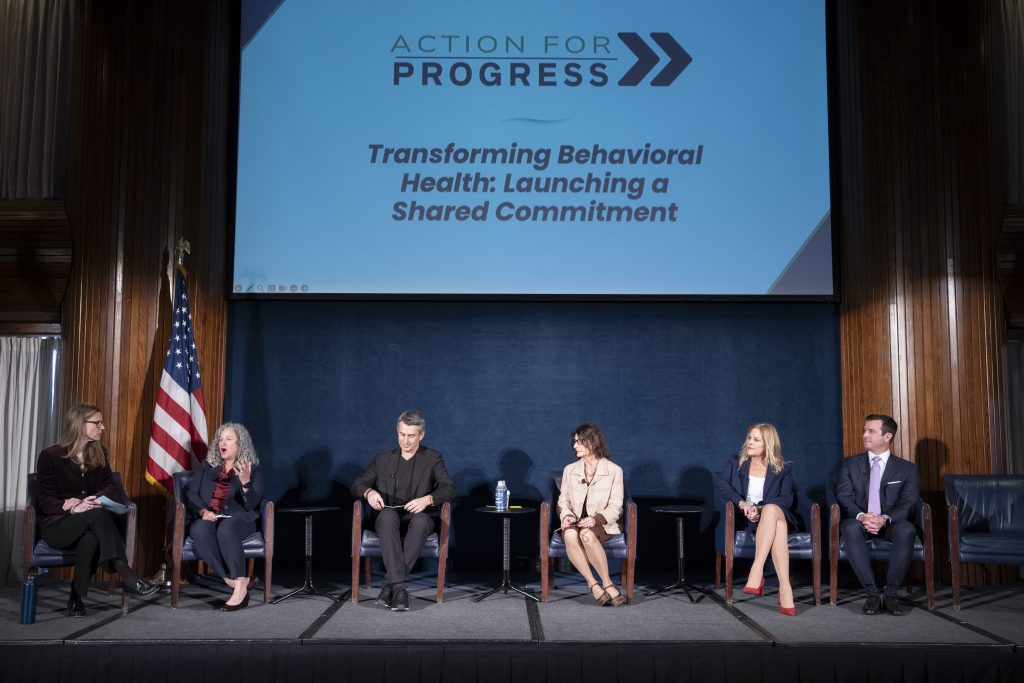
Expert Panel Discussion on Patient-Centric Behavioral Health - Integration of Prevention & Chronic Disease
Moderated by Debbie Witchey, CEO, Association for Behavioral Health & Wellness
Featuring expert panelists:
- Ami B Bhatt MD, FACC, Chief Innovation Officer, American College of Cardiology
- David Merritt, Senior Vice President, External Affairs, Blue Cross Blue Shield Association
- Arif Kamal, MD, Chief Patient Officer, American Cancer Society
- Dr. Thomas McGinn, Senior Vice President and Chief Physician Officer, CommonSpirit Health
- Sam Nordberg, PhD, Chair of Psychiatry and Behavioral Health, Atrius Health and Reliant Medical Group
- Tim Spilker, CEO of Whole Health Solutions, Optum
Summary
Clinical leaders underscored the importance of integrated, team-based care, where behavioral health is treated with the same urgency as physical health. They shared real-world examples demonstrating how early screening, rapid intervention, and coordinated care can prevent job loss, hospitalization, and long-term disability.
Speakers emphasized embedding data collection into routine care, allowing clinicians to improve treatment in real time while generating evidence at scale. They reinforced that behavioral health should not be siloed or delayed—it must be accessible immediately, just like cardiac or trauma care.


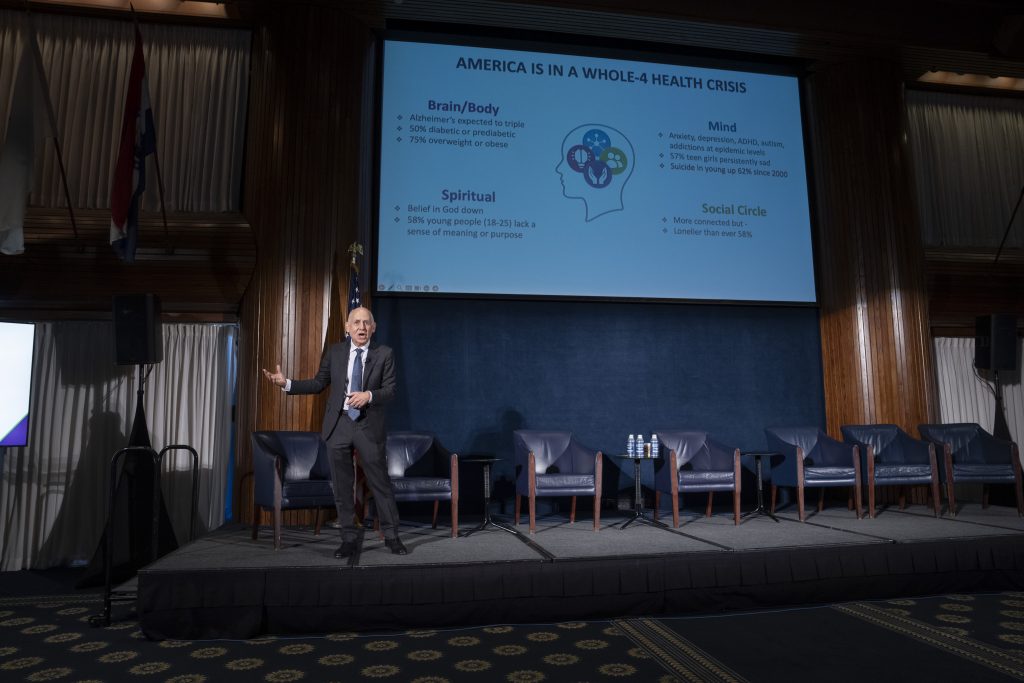
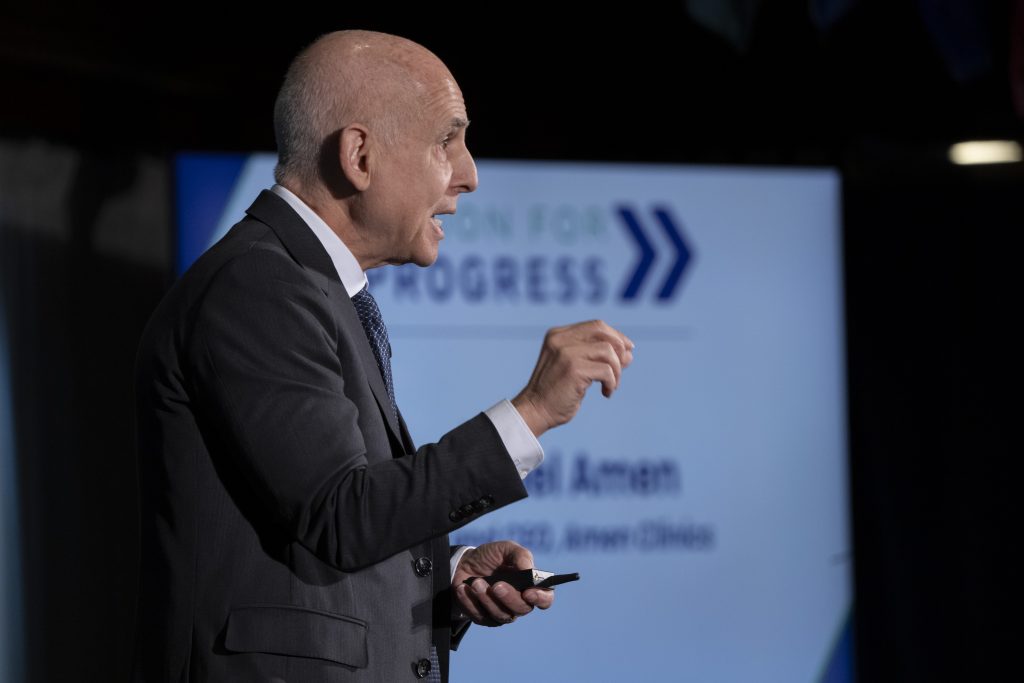
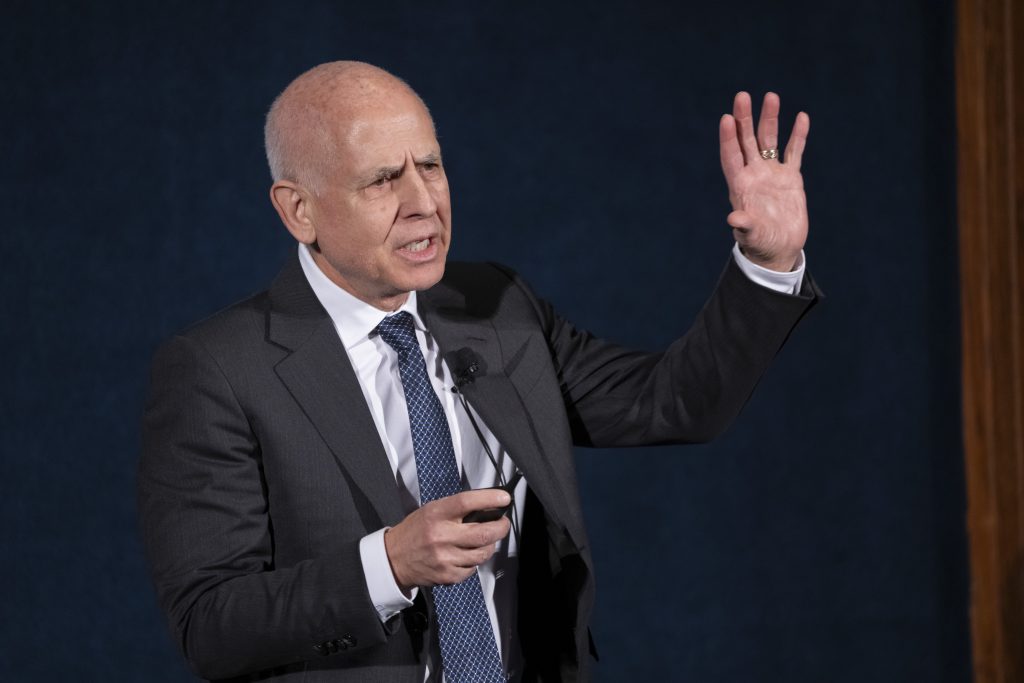
Presentation on The WHOLE-4: Making Americans Physically, Emotionally, Relationally and Spiritually Healthier
Presented by Dr. Daniel Amen, Founder and CEO, Amen Clinics
Summary
Dr. Amen focused on brain health as the foundation of mental health, arguing that psychiatry must move beyond symptom-based diagnosis to include biological data and imaging. He highlighted emerging tools—such as neuroimaging, neuromodulation, and personalized interventions—that can transform care for depression, addiction, and trauma.
Amen stressed prevention, early intervention, and lifestyle choices, challenging misconceptions around substances like alcohol and marijuana. He emphasized that people are not stuck with the brain they have and that recovery is possible when care integrates biology, behavior, social connection, and purpose.


Fireside Chat with the Administration for Children & Families
With Alex J. Adams, Pharm D, MPH, the Secretary of the Administration for Children & Families and Caroline Carney, MD, MSc, FAPM, CPHQ, CEO of Magellan Health
Summary
Alex J. Adams, Assistant Secretary at the Administration for Children and Families (ACF), outlined a new federal initiative designed to keep families together by expanding access to evidence-based treatment for parents struggling with opioid use disorder.
The initiative focuses on preventing children from entering foster care by ensuring parents can access well-supported medications for opioid use disorder (MOUD)—including buprenorphine, methadone, and naltrexone—when children are at imminent risk of removal but can safely remain at home or in kinship placements with appropriate supports.
As part of this effort, states and tribes may now receive a 50 percent federal match to provide MOUD in child welfare–involved cases. This policy aligns with ACF’s broader goal of achieving a nationwide foster home–to–child ratio greater than 1:1, by both increasing the availability of safe foster homes and reducing foster care entries through effective prevention strategies.
Assistant Secretary Adams emphasized that ACF is working to cut through longstanding administrative barriers that have limited access to effective opioid use disorder treatment for families. Through the Children’s Bureau, ACF has released a clear implementation framework, including sample program language and requirements, enabling states, tribes, and territories to act quickly.
The full Dear Colleague Letter, which outlines program details and available technical assistance, is available through the Substance Abuse and Mental Health Services Administration (SAMHSA):
https://www.samhsa.gov/sites/default/files/dear-colleague-letter-moud.pd
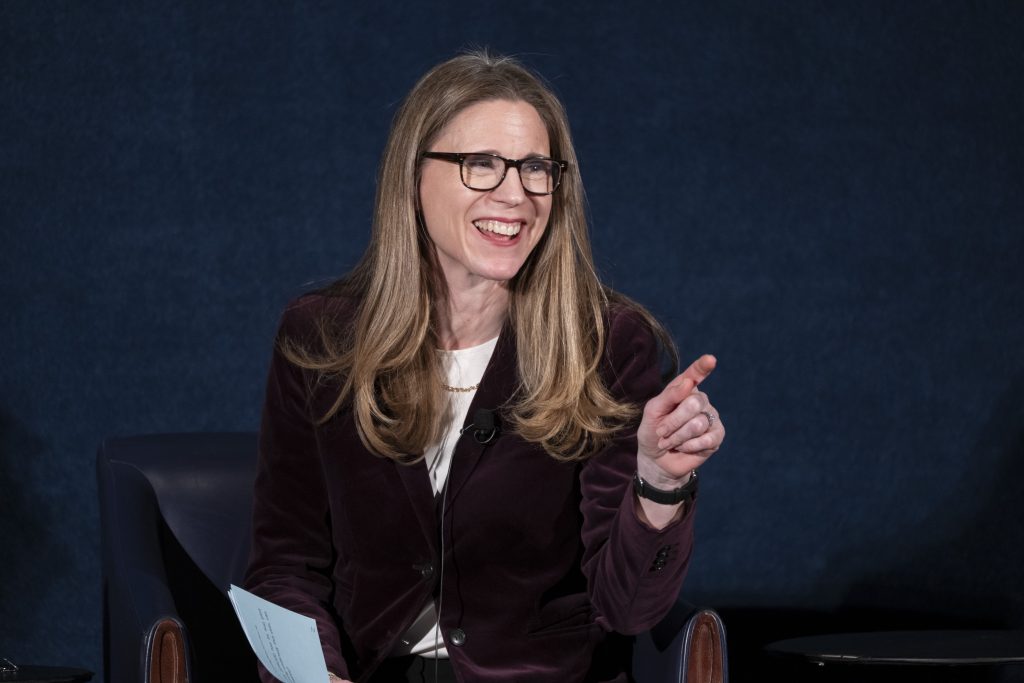
Expert Panel Discussion on Early Intervention and Community Integration in Serious Mental Illness
Moderated by Amy L. Kennedy, Board Chair, The Kennedy Forum.
Featuring expert panelists:
- Malekeh Amini, Founder and CEO, Trayt Health
- Sharon Hoover, PhD, Professor, School of Medicine, Division of Child and Adolescent Psychiatry, University of Maryland School of Medicine
- Marti Taylor, CEO, OhioRISE; VP of Aetna
- Dana Weiner, PhD, Chief Officer for Children’s Behavioral Health Transformation for the Illinois Office of the Governor
Summary
This session focused on the transformative impact of early intervention for serious mental illness (SMI), particularly among children and young people. With approximately 50% of lifetime mental illnesses beginning by age 14 and 75% by age 24, panelists emphasized that early identification and treatment can significantly alter long-term outcomes for individuals and families.
Early intervention reduces the duration of untreated mental illness, mitigates symptom severity, preserves social and occupational functioning, and strengthens long-term recovery trajectories. The discussion underscored that timely care is not only clinically effective but economically and socially essential.
Panelists also explored the growing role of artificial intelligence in youth mental health. While AI-powered tools are increasingly used by young people to seek support, participants noted both the promise and the need for thoughtful oversight to ensure safety, quality, and appropriate integration with clinical care.
A central theme of the conversation was community integration. Recovery does not occur in isolation — it depends on access to stable housing, employment, healthcare, and meaningful social connections. Schools were highlighted as a critical access point, given the early onset of many mental health conditions. School-based supports promote academic success, social-emotional development, and early identification of emerging symptoms. Inclusive environments reduce stigma and foster stronger partnerships among families, educators, and community providers.
The session reinforced that improving outcomes for serious mental illness requires coordinated, cross-system collaboration — including interagency alignment and strong public-private partnerships. Family involvement, community-based supports, and integrated child and adolescent mental health systems are foundational to ensuring young people receive timely, comprehensive care that supports lifelong recovery and independence.
Fireside Chat with Assistant Secretary for Technology Policy
With Thomas Keane, MD, MBA, Assistant Secretary for Technology Policy and National Coordinator for Health Information Technology, and Rebecca Messing Haigler, SVP Technology and Mental Health, Action for Progress
Summary
In this focused conversation, Dr. Keane underscored that meaningful behavioral health reform depends on modern, interoperable data systems. Persistent silos, privacy complexities, and uneven health IT adoption continue to limit care coordination across mental health, substance use, and physical health settings.
He highlighted the federal government’s efforts through the Assistant Secretary for Technology Policy (ASTP) to advance a nationwide framework for behavioral health information sharing. Key initiatives include the launch of the first USCDI+ Behavioral Health pilot, alignment of interoperability requirements across CMS and OCR, and recent HTI rulemaking to modernize certification standards, strengthen API-based data exchange, and improve patient access.
Dr. Keane also addressed the rapid integration of AI in behavioral health, emphasizing the need for responsible governance, transparency, and safeguards to ensure innovation strengthens — rather than fragments — whole-person care.
The discussion reinforced a central theme: integrated care requires integrated data. National standards, aligned incentives, and public-private collaboration will be essential to achieving durable, high-quality behavioral health outcomes.
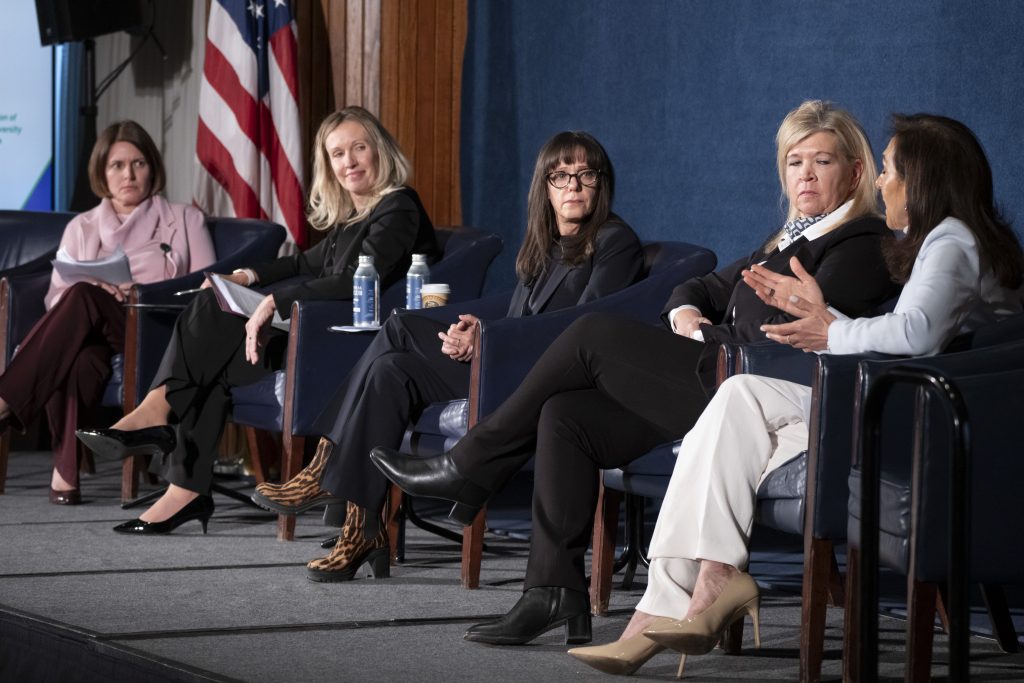
Expert Panel Discussion on Strengthening Data Infrastructure to Advance Behavioral Health
Moderated by Rebecca Messing Haigler, SVP Technology and Mental Health, Action for Progress.
Featuring expert panelists:
- Caroline Carney, MD, MSc, FAPM, CPHQ, CEO, Magellan Health
- Clive Fields, MD, Co-Founder, VillageMD
- Tracy Gruber, Executive Director Utah Department of Health & Human Services
- Dr. Rowland Illing, Global Chief Medical Officer and Director, Healthcare and Life Sciences, AWS
Summary
This panel explored how reliable, integrated data systems are foundational to transforming mental health and substance use care. While demand for coordinated, whole-person care continues to grow, current behavioral health data infrastructure remains fragmented, under-resourced, and inconsistent across systems.
Panelists examined the real-world implications of these gaps, from challenges in electronic health record (EHR) adoption and interoperability to the difficulty of measuring meaningful outcomes across physical health, mental health, and substance use care. Panelists shared how data silos complicate crisis response and care coordination, and reflected on how historical policy decisions, including the exclusion of behavioral health providers from HITECH meaningful use incentives, contributed to today’s technological disparities.
The discussion highlighted emerging opportunities:
- Connecting physical and behavioral health data to support whole-person care
- Aligning incentives among states, payers, and providers to strengthen interoperability
- Embedding behavioral health into value-based payment models
- Leveraging public-private partnerships to accelerate innovation and scale proven models
Looking ahead, panelists emphasized that achieving high-quality behavioral health outcomes over the next 5–10 years will require aligned incentives, interoperable systems, standardized outcome measurement, and sustained collaboration across sectors.
Ultimately, the session reinforced a central theme: integrated care depends on integrated data, and building that infrastructure is essential to delivering more coordinated, accountable, and effective behavioral health care nationwide.
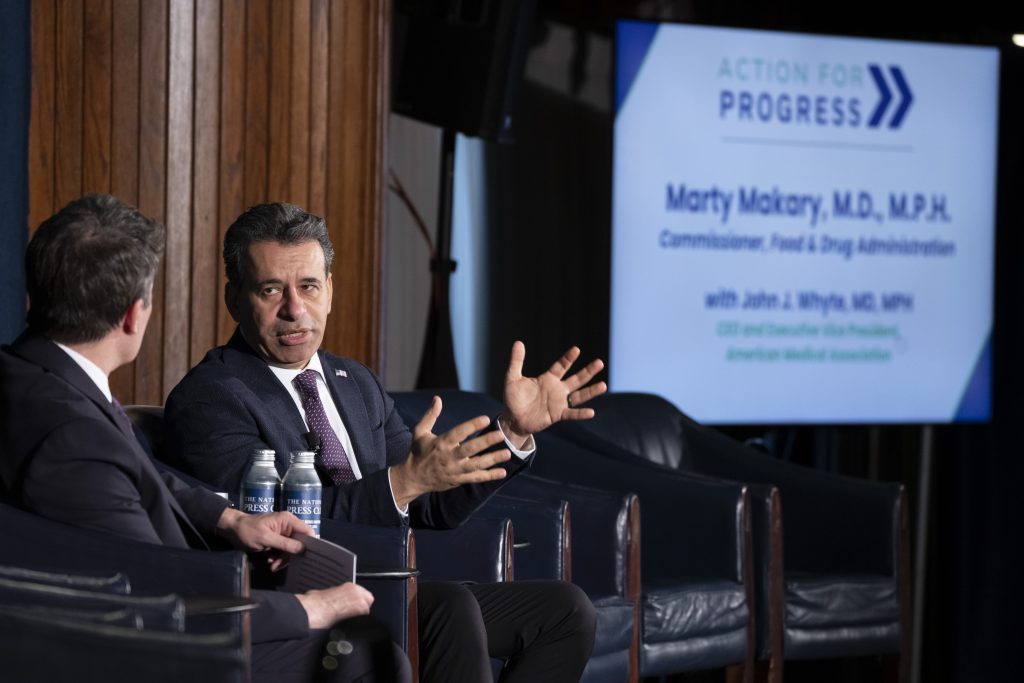
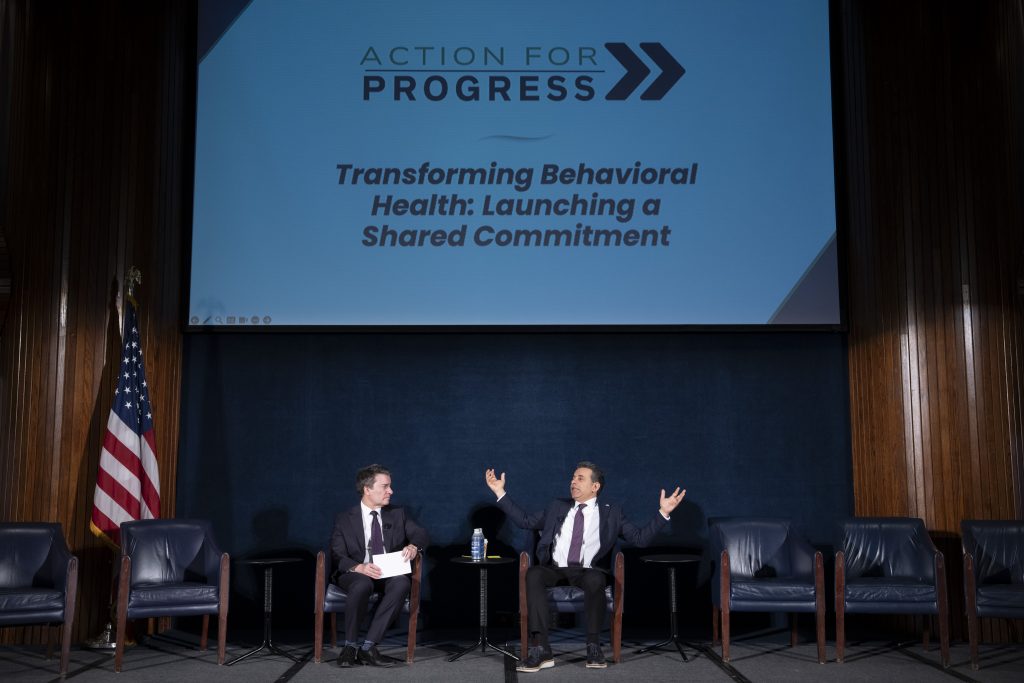
Fireside Chat on FDA Innovation & Brain Health
With Commissioner Marty Makary, M.D., M.P.H. and John J. Whyte, MD, MPH, CEO and EVP, American Medical Association
Summary
In a forward-looking conversation, FDA Commissioner Marty Makary outlined a vision for accelerating safe, evidence-based innovation in mental health and addiction care — while preserving the scientific rigor patients depend on.
Commissioner Makary emphasized the urgency of streamlining approval pathways for emerging therapies, from neuromodulation and psychedelic-assisted treatments to digital tools and next-generation brain health interventions. As breakthroughs advance, he underscored the FDA’s responsibility to balance speed with safety — ensuring promising treatments demonstrate real, measurable clinical benefit.
The discussion explored how outcomes are assessed in psychiatry, including the ongoing debate around objective biomarkers. Commissioner Makary highlighted the importance of validated clinical endpoints, functional improvement, and the growing role of real-world evidence in regulatory decision-making. He also pointed to upstream strategies to reduce opioid dependency — including innovations that better manage post-surgical pain and address root causes.
AI and digital health were central to the conversation. As generative AI tools rapidly enter behavioral health, Commissioner Makary noted the need for regulatory clarity that supports innovation while safeguarding patients and strengthening trust.
A defining theme was partnership. Through collaboration with ARPA-H on the EVIDENT initiative and coordination with CMS on the ACCESS demonstration and TEMPO pilot, the FDA is working to better align approval, coverage, and payment pathways — signaling that behavioral health is integral to overall health.
Emerging fields like metabolic psychiatry further illustrate how evolving science may challenge traditional frameworks. Commissioner Makary emphasized that as therapeutic targets shift, the FDA must remain adaptive, evidence-driven, and open to new paradigms.
The conversation made clear: advancing brain health innovation will require modern evidence standards, responsible AI governance, and strong federal collaboration — all aimed at delivering safe, effective treatments to patients faster and more efficiently.
Call to Action from Patrick J. Kennedy: Working Together to Ignite Change
From Patrick J. Kennedy, Leader, Center for Behavioral Health, Action for Progress and Invest for Progress
Summary
We closed the day by grounding our work in lived experience — reflecting on a powerful story from Profiles in Mental Health Courage by Patrick J. Kennedy and Stephen Fried.
It was a reminder that behind every policy debate is a real person navigating mental illness or addiction — and that courage shows up in seeking care, supporting a loved one, and fighting for a better system.
We ended with a clear call to action: transforming behavioral health requires all of us. Policymakers, providers, innovators, advocates, and people with lived experience must stay engaged and work together to build an integrated system that truly delivers.
Courage tells the story. Participation drives the change.
Ready to Join Action for Progress?
Joining the campaign is an opportunity to:
- Collaborate and join national thought leaders
- Influence national infrastructure development and payment reforms
- Gain access to a wealth of shared knowledge, research and tools that will enhance your advocacy efforts
- Be at the forefront of shaping policies that impact mental health care.
If you would like to learn more, please contact us at Action4progress@healthsperien.com or fill out the form below!